
Travel vaccines
Thailand Travel Vaccinations
Explore health advice for Thailand, vaccine requirements and how to book with Well.

Find us on Trustpilot
Planning a trip to Thailand? Here you’ll find everything you need to know about what travel vaccinations you'll need for your journey. Below you'll find recommended vaccines, malaria advice, potential health risks and how to book travel vaccinations with Well Pharmacy, to help you prepare for your trip with confidence.

Which vaccinations do you need for Thailand?
The recommended travel vaccinations for Thailand largely depend on the below factors:
- The length of your trip
- Which specific regions you plan on visiting
- Whether you’ll be spending time in rural areas
- Any planned activities such as trekking, volunteering or backpacking
- Your vaccination history
However, generally speaking, you can use the below clinical guidance* to help prepare for your appointment with us.
Essential vaccines
- Routine UK vaccinations – you should be up to date with any routine vaccinations and boosters that are recommended according to your age, medical history and individual risks. We offer a range of vaccinations that may be suitable, but you can speak to one of our pharmacists if you’re unsure.
- Yellow Fever certificate – this is only required for those 9 months and older who will be travelling from or passing through a high risk Yellow Fever zone on the way to Thailand. At the time this article was written (12.08.2026), the UK does not fall into this category, so a certificate isn't required if you're travelling directly from the UK.
Vaccines recommended for most travellers
- Hepatitis A – an infection that can be picked up through contaminated food or water in some parts of the world. Vaccination can help protect you while travelling and give you added peace of mind when eating and drinking abroad.
- Tetanus – bacteria from soil or rusty objects that's transmitted through open wounds, burns or scratches. Even if you’ve had a tetanus jab before, if it was more than 10 years ago then you might need a booster to help keep your protection up to date.
Vaccines recommended for some travellers
- Hepatitis B – spread through contact with infected blood or bodily fluids. Depending on your travel plans, activities or length of stay, vaccination might be recommended to help protect you during your trip.
- Typhoid – an infection that can be spread through contaminated food or water. The vaccine might be particularly useful if you're visiting friends and family abroad, travelling for an extended period, or exploring areas where food and water standards may be different to those in the UK.
- Cholera – another infection linked to contaminated food and water. Vaccination might be recommended for travellers visiting remote locations or areas where access to clean water and sanitation is limited.
- Diptheria – most people receive protection against diphtheria as part of their childhood immunisation schedule, but you're unsure then it's worth checking before you travel.
- Rabies – spread through the bite or scratch of an infected animal. If your trip involves spending time in rural areas, working with animals, or taking part in outdoor activities, vaccination might offer additional protection and reassurance.
- Japanese Encephalitis – a mosquito-borne infection found in parts of Asia and the Western Pacific. If you're travelling to higher-risk areas, vaccination alongside good insect bite prevention measures can help you stay protected throughout your trip.
| Vaccination | Doses required | Cost |
|---|---|---|
| Hepatitis A | One dose | £59 |
| Diptheria/Tetanus/Polio | One dose | £35 |
| Hepatitis B | Three doses | £150 |
| Typhoid | One dose | £35 |
| Cholera | Two doses | £66 |
| Rabies | Three doses | £222 |
| Japanese Encephalitis | Two doses | £196 |
Other health risks in Thailand
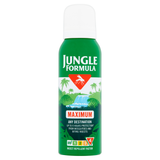
- Dengue Fever – Dengue Fever is spread by mosquitoes and can be found in many parts of Thailand. As there isn't a vaccine routinely recommended for most travellers, it's important to take steps to avoid mosquito bites by using insect repellent, covering exposed skin and sleeping in screened or air-conditioned accommodation where possible.
- Diarrhoea – Stomach upsets are one of the most common travel-related illnesses in Thailand. To help reduce your risk, drink bottled or treated water, choose freshly prepared food from reputable establishments, and wash or sanitise your hands regularly.
- Dehydration – Thailand's warm, tropical climate can take some travellers by surprise. Drinking plenty of water, applying high-factor sunscreen, seeking shade during the hottest parts of the day and wearing lightweight clothing can help you stay comfortable and enjoy your trip safely.
- Malaria - Malaria risk in Thailand varies depending on the specific region. While popular tourist destinations have a very low risk, certain rural and bordering regions might have a much higher risk of malaria transmission. Our team of pharmacists can help advise you on this and whether any anti-malarial medication would be suitable for your itinerary.
- Zika virus - a virus spread by daytime-feeding mosquitos that is a particular risk for those who are pregnant or are likely to become pregnant soon after the trip. Symptoms include rashes, conjunctivitis, low-grade fevers and joint/muscle pain, with potential risks including fetal brain defects.
You might also be interested in...


from £18.99

Period Delay Service
Don't let your period get in the way of your travel plans.
Take control of your cycle with our safe, effective Period Delay service which can delay your period up to 17 days.
Complete an online consultation to find out if the service is right for you.

Ear Health Checks
Prone to the dreaded 'ear pop' when flying?
If blocked or painful ears are a recurring issue for you when flying, booking in for an Ear Health Check before you go could help spot any health issues.
We offer FREE ear checks, and a wax removal service for £50*. No wax? No charge.
*Selected pharmacies only. Ask your pharmacist for more information.
"Travel vaccinations are one of the simplest ways to help protect yourself against illnesses that may be more common in Thailand than they are in the UK. The vaccines you need will depend on where you're travelling, how long you're staying and what activities you're planning. Our pharmacists are available to help guide you so that you have full peace of mind for your trip."
- Mital Thakrar, Head of Private Services

FAQs
With any travel vaccination, we recommend that you book a consultation, at least 6-8 weeks before your trip to allow time to receive all of your recommended vaccinations, as some might require multiple doses.
No, you don’t need a Yellow Fever certificate if you are travelling directly from the UK to Thailand, as at the time this article was published (12.08.2026) the UK is not considered a high risk Yellow Fever zone.
If you are only visiting these specific destinations, then no, malaria tablets are generally not necessary. These cities are considered mainstream tourist destinations where risk of malaria is lower. However, your exact travel plans and itinerary can still affect this, so it’s always worth checking with one of our pharmacists to see what they recommend.
Here at Well Pharmacy we offer private travel vaccinations only.
If you get bitten by a stray animal, wash the wound immediately with soap and running water – ideally for 15 minutes. Then apply antiseptic and go straight to a hospital or medical clinic to start a rabies vaccination series. Do not wait for symptoms to show.
*NaTHNaC Travel Vaccine Recommendations - Thailand. Accessed 12 August 2026.
**NaTHNaC Yellow Fever Zones. Accessed 12 August 2026.
SIDE BAR