Eczema
Get clinically-approved eczema treatments from the comfort of your home
Coming soon

Fast, convenient eczema treatments from trusted healthcare professionals
"Living with eczema can be frustrating, especially when flare-ups affect your comfort, sleep or confidence. The good news is that many people can successfully manage their symptoms with the right treatment and skincare routine. Our Online Clinic will soon offer convenient access to professional advice and treatment, helping you take control of your eczema from the comfort of your own home."
Last reviewed: August 2026
Next review: August 2029
Reviewed by: Neil Raichura

How our Eczema service will work
1. Complete an online consultation
Fill out our online form to tell us a bit more about you, your symptoms and your heath history.
2. Upload photos
We’ll ask you to attach a few clear images of the affected areas to help our pharmacists make an informed assessment.
3. Clinical review
One of our qualified pharmacists will review your request, and – if suitable – your chosen product will be shipped to you discreetly.
What is eczema?
Eczema is a common skin condition that causes patches of dry, itchy, inflamed skin. It can affect people of all ages, although it's particularly common in children.
The most common form is atopic eczema, which is often linked to allergies and an overactive immune response. Symptoms can come and go, with calm periods where the skin feels manageable, followed by more irritable, uncomfortable flare-ups.
Many people find that their eczema improves or even disappears with age, although others continue to experience symptoms throughout adulthood.
Common symptoms of eczema
Eczema can look different for everyone, but some common symptoms include:
- Dry, cracked skin
- Intense itchiness
- Red, inflamed patches
- Sore or sensitive skin
- Thickened skin caused by repeated scratching
- Flaky or scaly patches
If you're unsure whether your symptoms are eczema, our clinically-trained pharmacists can help assess your condition through the online consultation process.
What causes eczema?
There isn’t one root cause of eczema. Instead, it's usually the result of a combination of factors and can be brought on by various ‘triggers’, including:
- Genetics and family history – if one or both parents have atopic eczema, their children are more likely to develop it too1
- Allergies - allergies such as hay fever or asthma are similar genetic traits linked to the same immune system, and can sometimes trigger eczema flare-ups
- Skin barrier problems – a weakened skin barrier makes it easy for viruses to penetrate and cause infections, often shown through inflammation and itchiness
- Environmental triggers – stress, food allergies, cold, dry weather and being unwell can all be triggers for eczema flare-ups
- Skin irritants– using perfumed skincare or harsh soap products, and being around dust, heat (e.g. central heating) or pets can all trigger eczema
Understanding your triggers can help reduce flare-ups and improve long-term eczema management.

What are emollients, and why are they so important?
Emollients are moisturising treatments that soften and soothe to help hydrate the skin and support the natural protective barrier.
Using an emollient regularly can help:
- Reduce dryness
- Relieve itching
- Protect against irritants
- Reduce the frequency of flare-ups
- Improve overall skin comfort
You might like...

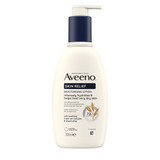
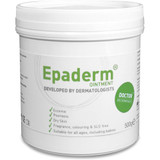
Everyday tips for managing eczema
Do:
- Moisturise often (at least 2-3 times a day)
- Apply emollients generously throughout the day
- Use gentle, fragrance-free skincare and cleaning products
- Keep showers and baths lukewarm rather than hot, and avoid harsh soaps or bubble baths
- Be gentle – pat skin dry instead of rubbing
Don't:
- Scratch affected areas, if you can help it
- Use heavily-fragranced products
- Allow your skin to become overly dry
- Ignore worsening symptoms or signs of infection
- Spend time around pets that you might be allergic to
Seasonal eczema advice
Summer
Hot weather and sweating can irritate sensitive skin. Do what you can to stay cool, wear breathable clothing and moisturise regularly.
Winter
Cold weather and central heating can dry out the skin, so you might need to apply emollients more frequently during the colder months.
Spring and Autumn
Seasonal allergies such as pollen can sometimes contribute to flare-ups. Pay attention to potential triggers and adjust your skincare routine as needed.
When should you seek medical advice?
You should ask for an urgent GP appointment or call 111 if the skin is:
- Blistered, crusty, leaking fluid or has pus-filled spots
- Painful, swollen or warm to the touch
- Suddenly getting worse or more widespread
You should also seek medical attention if you have a high temperature and are feeling unwell due to eczema, as this could be a sign of infection.
FAQs
There is no definitive ‘cure’ for eczema, but symptoms can be successfully managed with the right treatment, skincare routine and awareness of triggers.
Yes. In fact, emollients are an important part of most eczema treatment plans and are often used alongside prescribed treatments to help keep the skin moisturised and comfortable.
Yes, photos will help our clinical pharmacists assess your symptoms and determine whether treatment is suitable for you. This will help ensure we can provide the most appropriate advice and treatment.
- Eczema, British Skin Foundation. Accessed 17th August 2026.
- Atopic Eczema, NHS UK. Last updated September 2024.
- What causes Eczema? National Institute for Health and Care Excellence. Last updated August 2026.