
Free standard delivery when you spend £30 or more

Find us on Trustpilot
Get ready for summer!
Offers you'll love

The perfect pamper



from £30

Travel vaccinations
Some holiday destinations require a vaccination beforehand to prevent you from picking up any local illnesses.
Here at Well, we offer a range of travel services and medications - including Malaria tablets, and Hepatitis, Typhoid and Cholera vaccinations.
Simply book online for a Well Pharmacy near you.
from £18.99

Period delay
Don't let your period get you down - take control of your cycle.
Sometimes Mother Nature doesn't get the memo when you have a big event or holiday coming up. That's why we offer a safe, effective Period Delay service which can delay your period by up to 17 days.
Start your consultation now to find out if the treatment is right for you.
Travelling in England? Think Pharmacy First
Our Pharmacy First service means that no matter where you are in England, you're never far away from expert advice and support.
Avoid derailed plans or GP queues by heading into one of our pharmacies. Our GPhC-registered pharmacists are trained to diagnose and treat the common conditions as part of the Pharmacy First service, including (but not limited to) infected insect bites, sore throats, shingles and UTIs.

Sun & Travel FAQs
Protect your skin with our range of suncare essentials, shielding you from harmful UV rays. Find relief from hay fever symptoms with our selection of antihistamines and nasal sprays. Combat travel sickness with our effective remedies, ensuring a comfortable journey wherever you go. Browse our frequently asked questions for all your sun protection, allergy relief, and motion sickness needs.
SPF stands for sun protection factor. It is the indication of how well a product protects you from the sun’s harmful UVB rays. Using SPF can help prevent skin damage and skin cancer.
UVB is a type of radiation from the sun that causes your skin to burn. UVB rays are responsible for most types of skin cancer, so it is essential you protect yourself from it.
There are different strengths of SPF and you will commonly see sun lotion with SPF 15, 30, 50 and 50+.
These numbers show how long it would take you to burn with the sun lotion on as opposed to without any on at all. So, when you apply SPF 50, it takes you 50 times longer to burn with the sun cream on then if you had none on at all.
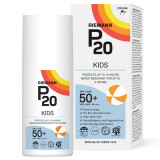
Discover our sun care range.
All sun lotion eventually goes out of date. On the back of each bottle is a small icon of an open jar with a number on it. The number indicates how long you have to use the product before it is no longer effective. Out of date sun lotion will no longer protect you from UVA rays and will not reduce your risk of skin cancer.
Hay fever (allergic rhinitis) can happen at any time but is more common between the months of March and September when the weather is warm and humid.
If you have hay fever symptoms all year round, it is called perennial allergic rhinitis. It means you are likely to be allergic to indoor allergens like dust mites, pet hair or mould.
Hay fever cannot be cured but there are things you can do to manage your symptoms at home, these include:
How many measures you need to take will depend how severe your hay fever is. You may find you only need to do one or two of these things to avoid symptoms getting worse.
Some antihistamines can make you drowsy. If you are unsure of which ones to take, you can always discuss it with your local pharmacist.
Anti-sickness tablets work by blocking the receptors in your brain or tummy that trigger the sickness response. They may also work by making food move through your stomach to your bowels quicker.
Anti-sickness tablets are considered safe in pregnancy and will not cause harm to you or your baby. You should always take anti-sickness tablets under the advisement of your doctor, nurse or midwife. Only take anti-sickness medication that has come from a trustworthy source such as a pharmacist or hospital.
Some anti-sickness medications can make you feel sleepy. It is important that you discuss any potential side effects of anti-sickness medication with your prescriber. You should also avoid driving or heavy lifting if your medication makes your feel drowsy.
If you have any questions about potential side effects, you can always discuss them with a doctor or pharmacist.
SIDE BAR