Acne
Find the right clinically-approved acne treatment for your skin
Coming soon

Fast, hassle-free acne service from trusted healthcare professionals
Acne is a common skin condition that can happen to anyone, at any age. It can be frustrating when your skin isn’t behaving how you’d like it to, but finding the right treatment doesn’t have to be. Our Online Clinic gives you convenient access to expert advice and treatment tailored to your skin, all from the comfort of your home. Simply complete an online consultation to get started.*
*Service available soon.
“Acne is a common condition of the skin. With the right help and treatment, you could improve your skin, your confidence and the quality of your life. There are a number of treatment options available, and finding the right one will depend on your skin and the type of acne you’re experiencing. Our Online Clinic will soon offer a convenient way to access professional advice and suitable treatment from home.”
Last reviewed: October 2026
Next review: October 2029
Reviewed by: Amie Anand, Digital Pharmacist & Independent Prescriber


How our Acne service will work
1. Complete an online consultation
Fill out our online form to tell us a bit more about you, your skin and your health history.
2. Upload photos
We’ll ask you to upload a few clear photos of the symptoms and affected areas.
3. Clinical review
One of our qualified pharmacists will review your request and process it appropriately. If suitable, a prescription treatment will be dispatched from our pharmacy and delivered to you discreetly.
What is acne?
Acne is a common skin condition that causes spots and can sometimes leave your skin feeling oily, sore or tender. It occurs when tiny hair follicles become blocked with excess oil and dead skin cells, forming a plug. This blockage can encourage existing bacteria that naturally live on the skin to multiply, leading to different types of spots – from blackheads and whiteheads to red, inflamed or pus-filled spots.
Acne often appears on the face, but it can also affect areas such as the back and chest. Although it’s often associated with puberty, you can experience acne at any age.

Common symptoms of acne
Acne can look different for everyone. It can range from mild cases with a few occasional pimples, to more severe cases consisting of deep, painful lumps under the skin.
Common symptoms may include:1
- Various types of spots, pimples or cysts
- Large, painful lumps beneath the skin
- Oily skin
- Changes to skin colour or texture
- Skin that feels hot or tender to touch
If you’re unsure whether your symptoms could be acne, our clinically-trained pharmacists can assess your condition through the online consultation process.
As acne can affect your physical appearance, it can also impact your self-confidence and potentially your mental health. If you're suffering from feelings of anxiety and depression, then it's important to speak to a healthcare professional to help you access the right support. Likewise, if acne is severely impacting your daily life, then seeking appropriate treatment could help you regain some of your confidence.

What causes acne?
There isn’t one single cause of acne. Spots develop as a result of blocked hair follicles, but a number of factors can contribute, such as:
- Hormones – changing hormonal levels can affect the amount of oil your skin produces
- Family history – sometimes acne can run in the family
- Certain medicines – some ingredients in medicines may trigger or worsen acne
- Certain skincare or cosmetic products – products that are more likely to clog your pores may contribute to acne
- Stress – feeling stressed releases hormones like cortisol, which can cause the skin’s oil-producing glands to go into overdrive, potentially leading to trapped bacteria that develops into acne.
It’s important to remember that acne isn’t your fault. It’s a common misconception that poor diet or hygiene cause acne, when hormonal changes and genetics can often play a role2. Eating a balanced diet is still important for your overall health, but changing your diet isn’t a quick fix for acne. Similarly, scrubbing your skin too much can cause further irritation and damage to the skin .

Different types of acne
There are different types of acne spots3, and it’s possible to have more than one type at the same time. When you have multiple lesions spread over the skin (either the same type, or multiple types), it’s known as acne vulgaris.
Whiteheads
Whiteheads appear when the blockage is located deeper within the hair follicle, causing the pore to close around it. Despite the common misconception, whiteheads are not filled with pus, and are usually a similar colour to the skin.
Blackheads
Blackheads appear when the blockage is located near the surface of the hair follicle, therefore protruding out of the pore. As the oxygen in the air then reacts to this pigment, it turns a dark colour, hence the name blackhead. It’s worth noting that the dark colour is not caused by dirt, and can’t be scrubbed away.
Papules
Papules are raised bumps that can appear pink, red, brown or black depending on your skin tone. They’re caused when bacteria within the blocked hair follicle multiply, expand and cause the follicle wall to tear. When this happens, white blood cells form a pocket of pus within the affected follicle.
Pustules
Pustules are raised bumps filled with pus, normally appearing a few days after a papule as the pocket of pus rises to the surface. As this can make them appear with a white or creamy-coloured top, they’re often mistakenly called whiteheads.
Nodules and cysts
Nodules and cysts are essentially just large papules or pustules. If the follicle wall splits even further, it can cause the blockage to spill into the surrounding tissue, creating a larger, inflamed, pus-filled area. If left untreated, these can take a long time to heal, so it’s recommended to seek medical advice if you think you have a nodule or cyst.
Solar comedones
This type of acne can form on areas of the skin that have experienced high levels of sun exposure, such as the cheeks. It may be made up of whiteheads, blackheads or a combination of both, and is most common in middle-aged or elderly people.
Acne treatments
There are different types of acne treatment available1.1, the most common usually being a topical treatment in the form of a cream, gel or lotion that you put on the skin. This is usually used to help reduce inflammation and oiliness, and kill the bacteria that can cause acne.
Oral medicines may also be prescribed sometimes to treat acne. These usually come in tablet form and can be used to reduce inflammation and oiliness and control the type of bacteria that may be causing the acne. In some cases, the contraceptive pill (specifically the combined pill) can be used to help treat acne.
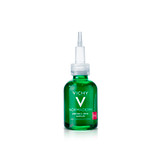
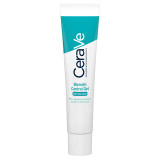
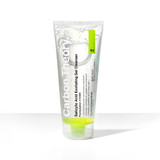
For milder cases of acne, or severe cases in conjunction with other treatments, over-the-counter products such as specially-designed cleansers, treatment gels and even herbal teas can help manage acne symptoms.
Self-care tips for acne
Do:
- ✓ Cleanse twice a day with mild soap and lukewarm water (not hot or ice cold water)
- ✓ Choose water-based make-up, skincare and suncare which is less likely to block pores
- ✓ Always remove make-up at the end of the day
- ✓ Wash your hair regularly, and try to avoid hair falling across your face
- ✓ Shower as soon as you can after exercise
- ✓ Use fragrance-free, water-based moisturiser
- ✓ Wear a good quality SPF to protect the skin and prevent post-acne scarring
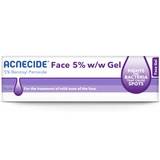
- ✓ Try benzoyl peroxide creams or gels (such as Acnecide) to help reduce bacteria and blocked pores
Don’t:
- ✕ Wash affected areas of skin more than twice a day, or it may cause irritation
- ✕ Scrub the skin, as it may cause irritation
- ✕ Squeeze or pick spots, as this can make them worse and cause permanent scarring
- ✕ Wear thick make-up, if you can help it
When should you seek medical advice?
If your acne is severe, and:
- You’ve tried treating it yourself but it isn’t improving
- You have lots of deep, painful spots or spots that are causing scars
- You have signs of a skin infection, such as hot, swollen or red skin
- It’s affecting your mental health
You should speak to a healthcare professional to help get the support you need.
FAQs
1. Acne, NHS UK. Last reviewed September 2026.
2. Acne self-care information, NHS UK. Accessed October 2026.
3. Acne types, Acne Support UK. Accessed October 2026.