
Travel vaccines
Cambodia Travel Vaccinations
Explore health advice for Cambodia, vaccine requirements and how to book with Well.

Find us on Trustpilot
Planning a trip to Cambodia? If you're travelling soon then it's important to stay on top of your health requirements. Here you’ll find everything you need to know about what travel vaccinations you might need for your journey. Below you'll find recommended vaccines, malaria advice, potential health risks, and how to book travel vaccinations with Well Pharmacy to help you prepare for your trip.

Which vaccinations do you need for Cambodia?
The recommended travel vaccinations for Cambodia largely depend on the below factors:
- The length of your trip
- Which specific regions you plan on visiting
- Whether you’ll be spending time in rural areas
- Any planned activities such as trekking, volunteering or backpacking
- Your vaccination history
However, generally speaking, you can use the below clinical guidance* to help prepare for your appointment with us.
Essential vaccines
- Routine UK vaccinations – you should be up to date with any routine vaccinations and boosters recommended according to your age, medical history, and individual risks. This includes checking that vaccinations such as MMR and diphtheria, tetanus, and polio are up to date.
- Yellow Fever certificate – there is no risk of Yellow Fever in Cambodia, but a vaccination certificate is required for travellers over one year old arriving from a country with a risk of Yellow Fever transmission. This also applies if you have spent more than 12 hours transiting through an airport in a Yellow Fever risk country. If you’re travelling directly from the UK, a certificate is not normally required.
Vaccines recommended for most travellers
- Hepatitis A – an infection spread through contaminated food or water or direct contact with an infected person. Vaccination is recommended for previously unvaccinated travellers visiting Cambodia.
- Tetanus – bacteria found in soil and manure can enter the body through wounds, burns, or scratches. You should have completed the standard UK vaccination course, while a booster may be recommended if your last dose was more than 10 years ago and medical facilities could be limited during your trip.
- Typhoid - an infection spread through contaminated food and water. Vaccination is recommended for most travellers to Cambodia, particularly those staying for longer periods, visiting friends or relatives, or travelling where sanitation and food hygiene may be poorer.
Vaccines recommended for some travellers
- Hepatitis B – spread through infected blood and bodily fluids. Vaccination may be considered for all travellers and is highly recommended if your trip could involve increased exposure through medical treatment, work, contact sports, unprotected sex, or a longer stay.
- Rabies – usually spread through the bite, scratch, or saliva of an infected animal. Rabies is a risk in Cambodia and has been reported in domestic animals. Vaccination may be recommended for longer stays, higher-risk activities, or travel to areas where prompt medical treatment could be difficult to access.
- Japanese Encephalitis – a mosquito-borne infection found throughout Cambodia, with risk present year-round and a seasonal peak generally between May and October. Vaccination may be considered for longer stays, frequent travel or trips involving increased exposure in rural areas, such as rice fields or pig farms.
- Chikungunya – spread mainly by daytime-feeding mosquitoes. Vaccination may be considered for travellers aged 12 and over who are visiting an area with an outbreak or making long-term or frequent trips to places with an increased risk.
- Dengue – dengue is spread by mosquitoes and is a recognised risk in Cambodia. Vaccination may be considered for certain travellers aged four and over, particularly those who have previously had dengue.
- Tuberculosis (TB) – BCG vaccination is only recommended for particular groups of travellers, including some unvaccinated children under 16 living in Cambodia for more than three months, and certain people whose work increases their risk of exposure to tuberculosis.
| Vaccination | Doses required | Cost |
|---|---|---|
| Hepatitis A | One dose | £59 |
| Diptheria/Tetanus/Polio | One dose* | £35 |
| Hepatitis B | Three doses | £150 |
| Typhoid | One dose | £35 |
| Rabies | Three doses | £222 |
| Japanese Encephalitis | Two doses | £196 |
| Chikungunya | One dose | £160 |
| Dengue Fever | Two doses | £105 per dose |
*If you have already completed the primary UK course, a single booster may be appropriate depending on your circumstances.
Other health risks in Cambodia
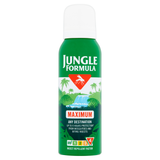
- Dengue Fever – dengue is spread by mosquitoes that mainly bite during the daytime and is a recognised risk in Cambodia. Use insect repellent, cover exposed skin where practical, and take other steps to avoid mosquito bites.
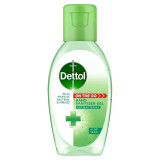
- Diarrhoea – contaminated food and water can cause a range of illnesses while travelling. Taking care with food and drinking water and washing or sanitising your hands regularly can help lower your risk.
- Dehydration – Cambodia’s hot climate can increase your risk of dehydration, particularly during long periods outdoors. Drink plenty of fluids, use sun protection and take regular breaks from the heat.
- Malaria - there is a low risk of malaria across much of Cambodia, with a very low risk around Angkor Wat, Lake Tonle Sap, and Siem Reap, and no malaria risk in Phnom Penh. For most travellers, awareness and mosquito-bite prevention are the main precautions, although antimalarial tablets may be considered for certain higher-risk travellers or itineraries.
- Zika virus - there is a risk of Zika virus in Cambodia. It is mainly spread by daytime-feeding mosquitoes and can also be sexually transmitted. Pregnant women should discuss the suitability of travel with a healthcare professional, and all travellers should take steps to avoid mosquito bites.
You might also be interested in...


"We offer a range of travel vaccinations and services to help support you before and during your trip to Cambodia. From travel vaccinations to handy travel products and services like Period Delay, we're here to help make sure your trip goes smoothly."
- Mital Thakrar, Head of Private Services

Ideally, book your travel-health appointment 6-8 weeks before departure so there’s enough time to complete any required vaccine courses. Even if you’re travelling sooner, an appointment can still be worthwhile.
No, not if you’re travelling directly from the UK. You may need one if you arrive from, or spend more than 12 hours transiting through, a Yellow Fever risk country.
Usually not. Malaria risk around Siem Reap and Angkor Wat is considered very low, although mosquito-bite prevention is still recommended.
No. Well Pharmacy offers private travel vaccinations only.
NaTHNaC Travel Vaccine Recommendations - Cambodia. Accessed 13 August 2026.
Foreign Travel Advice for Cambodia. Accessed 13 August 2026.
NHS Travel Vaccinations. Accessed 13 August 2026.
SIDE BAR