
Menopause
Menopause symptoms
Learn the common signs of menopause and practical ways to manage your symptoms.

Whenever you hear 'menopause,' you probably hear 'symptoms' in the next breath. The symptoms of menopause are caused by changing hormone levels, particularly a decline in oestrogen and progesterone. These hormonal changes are what lead to the physical and emotional symptoms that women* often talk about during menopause.
While some people only experience mild symptoms, others find that menopause can have a bigger impact on their day-to-day life. If you're experiencing symptoms and wondering whether menopause could be the cause, you're not alone. 80-90% of women experience symptoms while going through the menopause, with 25% describing them as severe or debilitating1. Understanding the signs of menopause can help you feel more prepared and make it easier to find the right support.

What are the early menopause symptoms?
The lead-up to menopause is known as 'perimenopause' - a phase that can last several years. During this time is when most people experience the common symptoms of menopause, such as:
- Irregular periods
- Hot flushes
- Night sweats
- Sleep disturbances
- Lower energy levels
- Mood swings
- Difficulty concentrating
- Brain fog
- Headaches
- Bladder weakness

Our guide to managing menopause symptoms
Hot flushes and night sweats
Hot flushes are one of the most recognisable symptoms of menopause. They'll usually feel like a wave of heat that spreads through the upper body and face. For some people, this might be accompanied by sweating, flushed skin or a racing heartbeat.
Night sweats work in the same way but happen when you're in bed, causing sleep disturbances and fatigue.
Ways you can help tackle hot flushes and night sweats:
- Dress in light, breathable layers
- Keep your bedroom cool
- Avoid known triggers, such as spicy foods, caffeine and alcohol
- Explore treatment options such as HRT**


**Subject to suitability, availability and the professional discretion of an accredited pharmacist.
Sleep problems and fatigue
Hormonal changes, night sweats and increased anxiety can all contribute to difficulty falling asleep or staying asleep.
Over time, poor sleep might leave you feeling tired, irritable and lacking in energy during the day.
Ways you can tackle sleep problems and fatigue include:
- Stick to a regular sleep routine
- Limit screen time and caffeine before bed
- Create a cool, comfortable sleeping environment



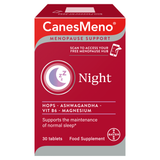
Headaches and migraines
For some people, hormonal fluctuations can trigger headaches or make existing migraines worse.
Although experience can vary from person to person, headaches are one of the more common menopause symptoms during perimenopause when hormone levels are changing most rapidly.
Ways you can help tackle headaches and migraines:
- Make sure you stay hydrated
- Manage stress
- Prioritise sleep
- Keep a record to help identify common triggers



Joint and muscle aches
As oestrogen levels decline, some people experience aching joints, muscle stiffness and increased discomfort after exercise. These symptoms can affect mobility and everyday activities.
Ways you can help tackle joint and muscle aches:
- Partake in regular, low-intensity exercise (such as walking, swimming or yoga)
- Stretch before and after physical activity
- Try to maintain a healthy weight to reduce pressure on joints
- Apply heat to stiff or sore areas
- Ensure you’re getting enough calcium and vitamin D to support bone health


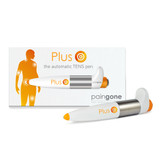
Anxiety and stress
Changing hormone levels can affect your emotional wellbeing and could contribute to symptoms such as:
- Mood swings
- Increased anxiety
- Irritability
- Feeling low
- Feeling overwhelmed
Ways you can help tackle anxiety and stress:
- Engage in regular physical activity
- Try stress management techniques, such as meditation, mindfulness or journalling
- Lean on your social network
- Speak to a healthcare professional


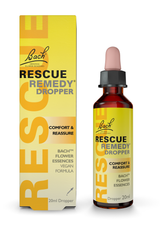
Brain fog and difficulty concentrating
'Brain fog' is a term often used to describe changes in memory, concentration or mental clarity. As one of the signs of menopause, you might find yourself forgetting names, misplacing everyday items or struggling to focus on tasks that would normally feel straightforward.
Ways you can help tackle brain fog and concentration issues:
- Ensure you’re getting enough sleep
- Engage in regular, gentle physical activity to support concentration
- Keep your mind active through reading, puzzles or learning new skills
- Use reminders and to-do lists to help you stay organised
- Take regular breaks when focusing on one task for a long period of time
- Eat a balanced diet and stay hydrated throughout the day
Vaginal dryness
Lower oestrogen levels can affect the tissues in the vagina, making them more dry and less elastic. This can cause feelings of discomfort, itching, irritation and pain during sex. As a result, you might also notice a change in your libido.
Although it's one of the common menopause symptoms, vaginal dryness can be a sensitive and personal topic, which is why we offer a variety of supporting products that you can order discreetly online, without the need to speak to anyone in person.
Ways you can tackle vaginal dryness:
- Use lubricants during sex
- Use vaginal moisturisers
- Avoid scented soaps, bubble baths and intimate products that might cause irritation
- Explore prescription treatments in more severe cases



Bladder changes and UTIs
The hormonal changes you experience during the stages of menopause can affect your bladder and pelvic floor health, which might lead to more frequent urination, minor leaks or recurrent urinary discomfort. These symptoms may also develop into a urinary tract infection (UTI).
In minor cases, you can treat the symptoms of a UTI with over-the-counter medicine. However, if the infection is more developed, you may require antibiotics.
The good news is that we can offer advice and treatment for UTIs in our pharmacies as part of the Pharmacy First service, so there's no need for a GP appointment.
Over the counter products
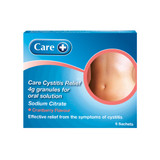

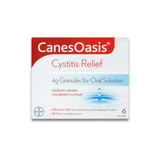
Experiencing leaks? Shop our range of discreet pads and pants.
Weight gain during menopause
Many women notice changes in their weight during menopause due to the hormonal fluctuations which affect the way your body stores fat and uses energy. There are a number of ways you can manage your weight during menopause, including lifestyle changes and medicated weight loss treatments where clinically appropriate.


FAQs
Early signs of menopause tend to start during a phase called 'perimenopause,' with symptoms often including irregular periods, hot flushes, sleep disturbances, mood changes, headaches and trouble concentrating.
Symptoms can vary for each person, but the most common symptoms of menopause are hot flushes, night sweats, headaches and brain fog.
Symptoms can last several years from the start of perimenopause right through to post menopause, but this can vary from person to person. Well Pharmacy offers products and treatments to help support you during these stages.
No, menopause symptoms affect everyone differently. Some people only experience a few mild symptoms, while others might experience more symptoms with more severity.
Yes, menopause symptoms often start during the 'perimenopause' stage, which is in the years leading up to the end of your periods.
1. What is the menopause?, British Menopause Society. Last reviewed January 2026.
SIDE BAR