
Contraception
Take control of your reproductive health, and access FREE oral contraception from Well Pharmacy.

What is contraception?
Contraception is all about giving you more control over your reproductive health and helping to prevent pregnancy. There are lots of different types of contraception available, so you can find something that suits your lifestyle and preferences, whether that's daily convenience or a longer-term solution that requires minimal maintenance.
If you're considering contraception for the first time and don't know where to start, looking to switch methods, or continuing an existing prescription, we can help you find an option that feels right for you.
Last reviewed: October 2026
Next review: October 2029
Reviewed by: Elliott Patrick, Head of NHS Services

Why do people use contraception?
Access to contraception gives you the freedom to make choices that feel right for you, whether that's simply a reliable way to prevent pregnancy, or the ability to control and plan your own family timeline.
Whatever the circumstances, finding a contraceptive method that suits your lifestyle gives you one less thing to worry about. It's also perfectly okay to review and change your contraception method over time, as your lifestyle and preferences might evolve.

Understanding your contraception options
There's no one-size-fits-all when it comes to contraception, so what works for you might not necessarily be the best fit for someone else. Your lifestyle, health, future plans and personal preferences can all play a part in finding the right option for you.
The good news is, there are lots of options out there, so whether you're looking for an easy fit into your daily routine or something fuss-free with minimal maintenance, you can find something to suit your needs.
Hormonal contraception
Hormonal methods such as the contraceptive pill, patch and implant work by releasing hormones that help prevent pregnancy.
Non-hormonal contraception
Non-hormonal methods such as condoms and copper intrauterine devices (coils) prevent pregnancy without the use of hormones.
Long-acting and short-acting contraception
Some contraceptive methods require regular action (like taking a daily pill), while others can provide protection over much longer periods of time with little ongoing maintenance.
Whatever you're looking for, understanding what's out there can help you make an informed decision, and our pharmacists can help advise you, too.
Contraception service at Well Pharmacy
If you're interested in or already using oral contraception, we can help make the process as easy as possible. We offer a range of contraceptive pills, including emergency contraception, FREE of charge to eligible patients in England, as per the NHS Pharmacy Contraception Service.1
Simply pop in to see us or book an initial consultation (essentially a 10-minute chat), and we'll provide you with a 3-month supply of your chosen contraception if you're new to the service, or 6-12 months' worth if you're continuing existing treatment. Then, you can come back to us in another 6 months when you need more. No GP appointments needed, no waiting lists to join!
1. Pop in or book an appointment
You can pre-book an appointment or simply pop into your local Well Pharmacy and ask to speak to a member of the team about your contraception options.
2. Chat to a pharmacist
Our pharmacists understand that contraception is a personal topic, so you'll have the opportunity to chat through any questions or concerns you have in the privacy of a consultation room.
3. Get advice tailored to you
Our pharmacist will take the time to understand your situation and help you explore the options that may be most suitable for you and your lifestyle, so you can feel informed and confident about your choice.
Shop contraception
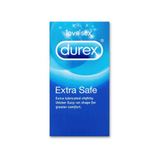
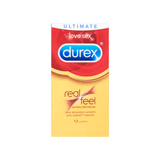
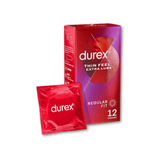
Managing contraception side effects
Like all medicine, some hormonal forms of contraception have associated side effects, although there's not enough evidence to determine whether these are directly caused by the contraception itself.
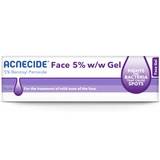
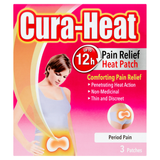
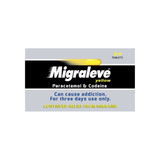
Some side effects might include headaches, nausea, acne, painful periods and increased risk of thrush – depending on your circumstances, and the type of contraception you're using. We offer a variety of products to help manage some of the most common side effects of contraception.
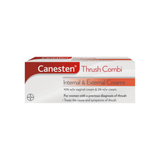

More about contraception
Types of contraception
Everything you need to know about the different types of contraception, and how to find the one that's right for you.
Contraceptive pill guide
Learn about all things contraceptive pill - from the different types to how to take it, what to do if you miss one, and potential side effects.
Emergency contraception
Find out how to get emergency contraception – such as the morning after pill – at Well Pharmacy.
Medicines that can affect contraception
Find out how different medications could impact the effectiveness of your contraception, and what precautions you can take.
Contraception after having a baby
A guide to navigating contraception again after having a baby.
Contraception during menopause
A guide to navigating contraception during menopause and perimenopause.
"There is no one-size-fits-all approach to contraception. The most suitable option depends on factors such as lifestyle, medical history and personal preferences. If you're unsure where to start, speaking to a healthcare professional can help you understand the options available and make an informed choice."
- Alisha Summers, Patient Safety & Experience Pharmacist

FAQs
1. NHS Pharmacy Contraception Service, NHS England. Accessed 07/10/2026.