Travel vaccines
Sri Lanka Travel Vaccinations
Explore health advice for Sri Lanka, vaccine requirements and how to book with Well.

Find us on Trustpilot
Getting ready for a trip to Sri Lanka? From beach holidays and city stays to wildlife tours, rural adventures, and journeys through the central highlands, your travel-health needs can vary depending on what you have planned.
Below, we cover the vaccinations that may be recommended for Sri Lanka, Yellow Fever entry requirements, mosquito-borne illnesses such as dengue and chikungunya, rabies precautions, and how Well Pharmacy can help you prepare before you travel.

Which vaccinations do you need for Sri Lanka?
The travel vaccines you may need aren't necessarily the same for every visitor. Recommendations can depend on:
- How long you'll be in Sri Lanka
- Whether you're staying in tourist areas or travelling more widely
- Time spent in rural areas
- Activities such as backpacking, cycling, wildlife trips, or volunteering
- Whether you'll be visiting friends or relatives
- Your existing vaccination history
The information below provides a useful starting point, but your individual risks should be assessed before you travel.
Essential vaccines
- Routine UK vaccinations – make sure you're up to date with routine vaccinations and boosters appropriate for your age and medical history. This includes checking vaccines such as MMR and diphtheria, tetanus, and polio. Measles risk in Sri Lanka is currently considered greater than in the UK, making it particularly important to check your MMR status.
- Yellow Fever certificate – there is no Yellow Fever risk in Sri Lanka itself. However, travellers over 9 months old need a Yellow Fever vaccination certificate if arriving from a country with a risk of transmission or after spending more than 12 hours in transit at an airport in a risk country. If you're travelling directly from the UK, you don't normally need a certificate.
Vaccines recommended for most travellers
- Tetanus – tetanus bacteria are found in soil and manure and can enter the body through wounds such as cuts, burns, or scratches. Travellers should have completed the standard UK vaccination course. If you'll be somewhere with limited access to medical treatment, a booster is recommended when your last dose was more than 10 years ago.
Vaccines recommended for some travellers
- Hepatitis A – spread through contaminated food and water, or direct contact with an infected person. Vaccination may be recommended if you'll be staying with local people, travelling frequently or for a longer period, backpacking in rural areas, or staying somewhere with poorer sanitation and food hygiene.
- Typhoid – typhoid occurs in Sri Lanka and is also spread through contaminated food and water. Vaccination may be considered for longer stays, visits to friends or relatives, frequent travel, or trips where access to reliably safe food and water may be limited.
- Hepatitis B – Sri Lanka has an intermediate or high prevalence of hepatitis B. Vaccination can be considered for all travellers and is particularly relevant for longer stays, or where your trip could involve medical or dental treatment, exposure to blood, sexual contact, tattoos, piercings, or certain types of work.
- Rabies – rabies is a recognised risk in Sri Lanka. Pre-travel vaccination is particularly relevant for longer stays, people working with animals, activities such as running or cycling, or travel to areas where prompt post-exposure treatment may be difficult to access.
- Japanese Encephalitis – Japanese Encephalitis occurs throughout Sri Lanka, with year-round risk and peaks around the monsoon seasons. Vaccination may be considered for stays of a month or more, frequent trips, or shorter journeys involving greater exposure in rural areas such as rice fields or pig farms.
- Chikungunya – this mosquito-borne infection is present in Sri Lanka. Vaccination may be considered for people aged 12 and over travelling to an area with an outbreak or making frequent or long-term trips to places with an increased risk.
- Dengue – dengue is a significant mosquito-borne risk in Sri Lanka. Vaccination may be considered for some travellers aged four and over, particularly those who have previously had dengue, following an individual clinical assessment.
- Cholera – cholera has previously been reported in Sri Lanka, although the risk for most travellers is low. Vaccination is generally reserved for higher-risk situations, such as humanitarian work or travel to areas experiencing active transmission with limited access to clean water and healthcare.
- Tuberculosis (BCG) – BCG vaccination may be recommended for specific higher-risk travellers, including some unvaccinated children under 16 who will live in Sri Lanka for more than three months and certain people exposed through their work.
| Vaccination | Doses required | Cost |
|---|---|---|
| Diphtheria/Tetanus/Polio | One dose* | £35 |
| Hepatitis A | One dose** | £59 |
| Hepatitis B | Three doses | £150 |
| Hepatitis A + B | Three adult doses | £240 |
| Typhoid | One injectable dose | £35 |
| Rabies | Three doses (Rabipur) | £222 |
| Japanese Encephalitis | Two doses | £196 |
| Cholera | Two doses (Dukoral) | £66 |
| Chikungunya | One dose | £160 |
| Dengue Fever | Two doses | £105 per dose |
| MMR | One dose*** | £45 |
*If you've already completed the primary UK diphtheria, tetanus, and polio course, you may only need a single booster.
**For the primary hepatitis A course, excludes booster.
***A further MMR dose may be required depending on your vaccination history.
Other health risks in Sri Lanka
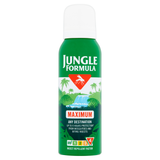
- Dengue Fever – dengue is currently an important health consideration in Sri Lanka. More than 92,000 cases were reported by mid-August in 2026. The mosquitoes responsible mainly bite during the daytime, so use an effective insect repellent and cover exposed skin where possible.
- Chikungunya – chikungunya is also present, and UK cases linked to travel in Sri Lanka have been reported during 2026. As with dengue, preventing daytime mosquito bites is an important precaution.
- Zika virus – Zika is a recognised risk in Sri Lanka. It is mainly spread by mosquitoes, but can also be sexually transmitted. Pregnant women should discuss the suitability of travel with a healthcare professional and follow current Zika guidance.
- Rabies and animal bites – avoid touching or feeding dogs, monkeys, and other mammals. If you're bitten, scratched, or licked on broken skin, thoroughly clean the area and seek urgent medical attention. This remains necessary even if you've received a rabies vaccine before travelling.
- Food and water-related illness – hepatitis A, typhoid, and other stomach infections can spread through contaminated food or water. Good hand hygiene and sensible food and drinking-water precautions can help reduce your risk.
- Heat and humidity – Sri Lanka's tropical conditions can increase the chance of dehydration, sunburn, and heat-related illness. Drink regularly, use suitable sun protection, and take breaks from prolonged heat.
- Malaria – there is currently no malaria risk in Sri Lanka, so antimalarial tablets aren't recommended for routine travel. Mosquito-bite prevention is still recommended because mosquitoes can transmit dengue, chikungunya, Japanese Encephalitis, and Zika.
You might also be interested in...


Why get your ears checked before flying?
If you've ever experiences ear popping, aching or soreness when flying, then it can be a normal response to air travel, but it could also be the sign of other ear health issues.
Here at Well we offer FREE Ear Health checks which could give you peace of mind before you travel, and help you fly more comfortably.
Sometimes a build-up of ear wax can be the cause of the issues. If we find this to be the case, we offer an Ear Wax Removal service for just £50. No wax? No fee!

FAQs
Ideally, check your vaccination requirements at least 8 weeks before travelling. If you're leaving sooner, it's still worth arranging an appointment.
Tetanus is recommended for most travellers. Hepatitis A, typhoid, rabies, and other vaccines may be recommended depending on your itinerary and individual risks.
Not when travelling directly from the UK. A certificate may be required if you're arriving from or have had a qualifying transit through a Yellow Fever risk country.
No. There is currently no malaria risk in Sri Lanka, although mosquito-bite prevention is still strongly recommended.
Not everyone needs one. It may be recommended for longer stays, animal exposure, cycling or running, or travel where rapid medical treatment could be difficult to access.
Usually only for higher-risk trips, such as longer stays or significant time in rural areas, particularly around rice fields or pig farms.
SIDE BAR