
Travel vaccines
Caribbean Travel Vaccinations
Explore health advice for the Caribbean, vaccine requirements and how to book with Well.

Find us on Trustpilot
Planning a tropical holiday in the Caribbean? With dozens of islands and countries spread across the region, the vaccinations and health precautions you might need can vary considerably depending on where you're going.
A resort holiday in Barbados, for example, doesn't necessarily carry the same travel-health considerations as visiting friends and family in Jamaica, travelling around Cuba, spending time in Haiti, and so on. Your route can also depend on whether you're island-hopping or taking a Caribbean cruise.
Below, we cover the vaccinations commonly recommended for Caribbean travel, destination-specific guidance for some of the region's most popular countries and islands, malaria and Yellow Fever advice, and how Well Pharmacy can help you prepare for the adventure.

Which vaccinations do you need for the Caribbean?
There isn't one vaccination list that applies to the whole Caribbean. Your recommendations can depend on:
- Which Caribbean country or island you're visiting
- Whether you're visiting one destination or island-hopping
- How long you'll be away
- Whether you're staying in a resort or travelling more widely
- Whether you're visiting friends or relatives
- Activities such as hiking, caving, cycling, or volunteering
- Your existing vaccination history
- Countries you've visited immediately before arriving in the Caribbean
Essential vaccines
- Routine UK vaccinations – Whatever your Caribbean destination, you should check that you're up to date with routine UK vaccinations and boosters appropriate for your age and medical history. This includes vaccines such as MMR and diphtheria, tetanus, and polio.
- Yellow Fever certificates – Requirements vary between Caribbean destinations. Many islands don't have Yellow Fever themselves but may ask for a vaccination certificate if you're arriving from, or have recently transited through, a country with Yellow Fever transmission. This is particularly worth checking if your trip includes South America before the Caribbean.
Vaccines recommended for most travellers
- Hepatitis A – Spread mainly through contaminated food and water. Hepatitis A vaccination is recommended for most travellers to some destinations, including Jamaica, Haiti, and the Dominican Republic, while in islands such as the Bahamas and Saint Lucia it is more dependent on your activities, accommodation, and length of stay.
- Tetanus – Tetanus bacteria can enter the body through cuts, scratches, burns, and other wounds. Staying up to date is particularly important if you'll be travelling somewhere where access to medical treatment could be limited. Tetanus is recommended for most travellers across many Caribbean destinations.
- Typhoid – Recommendations vary considerably between islands. It is recommended for most travellers to Haiti and the Dominican Republic, while it may be considered for higher-risk travellers visiting destinations such as Jamaica and Cuba.
Vaccines recommended for some travellers
- Hepatitis B – Spread through infected blood and bodily fluids. Vaccination may be considered if you're travelling for longer periods or could be exposed through medical or dental treatment, sexual contact, tattoos, piercings, contact sports, or certain types of work.
- Rabies – The level of risk varies. Rabies is present in domestic animals in countries including Haiti and the Dominican Republic, whereas on islands such as Jamaica, the Bahamas, and Saint Lucia the main concern is bat lyssavirus rather than rabies circulating in domestic animals.
- Cholera – This isn't routinely needed for a standard Caribbean holiday. It may be recommended for higher-risk travellers, such as humanitarian workers or people travelling to areas with active cholera transmission and limited access to safe water or healthcare. Haiti is particularly relevant when assessing this risk.
- Dengue – Dengue occurs across many parts of the Caribbean. Vaccination may be considered for certain travellers, particularly those who have previously had dengue, following an individual clinical assessment.
- Chikungunya – Several Caribbean destinations have current or historical chikungunya transmission. Vaccination may be considered for some travellers aged 12 and over, particularly during an outbreak or for frequent or long-term travel to higher-risk areas.
- Yellow Fever – Unlike most Caribbean islands, there is a risk of Yellow Fever transmission in parts of Trinidad and Tobago. Vaccination recommendations therefore depend on your itinerary.
| Vaccination or medicine | Doses required | Cost |
|---|---|---|
| Hepatitis A | One dose* | £59 |
| Diphtheria/Tetanus/Polio | One dose** | £35 |
| Hepatitis B | Three doses | £150 |
| Hepatitis A + B | Three adult doses | £240 |
| Typhoid | One injectable dose | £35 |
| Cholera | Two doses (Dukoral) | £66 |
| Rabies | Three doses (Rabipur) | £222 |
| Chikungunya | One dose | £160 |
| Dengue Fever | Two doses | £105 per dose |
| MMR | One dose*** | £45 |
| Malaria tablets | Depends on medicine and itinerary | From £0.65 per tablet |
*For the primary course, excludes booster.
**If you've already completed the primary UK diphtheria, tetanus, and polio course, a single booster may be appropriate depending on your circumstances.
***A follow-up MMR dose may be required.
Jamaica travel vaccinations
For most travellers visiting Jamaica, hepatitis A and tetanus are recommended. Typhoid can be considered if you'll be staying for longer periods, visiting friends or relatives, or travelling somewhere where food and water hygiene may be less reliable. Hepatitis B may also be appropriate depending on your activities and length of stay.
Dengue, chikungunya, and Zika are mosquito-borne risks in Jamaica, making bite prevention important even if you're staying in a resort. Rabies hasn't been reported in animals such as dogs in Jamaica, although bats can carry bat lyssavirus.
There is no Yellow Fever risk in Jamaica itself. However, travellers aged one year and over arriving from a Yellow Fever risk country, including certain longer airport transits, may need a vaccination certificate.
Cuba travel vaccinations
Hepatitis A and tetanus are important vaccinations to check before visiting Cuba, while typhoid may be considered depending on your accommodation, length of stay, and access to safe food and water.
Mosquito-bite prevention deserves particular attention in Cuba. There are reports of an Oropouche virus disease outbreak, while dengue and chikungunya have also been reported during 2026.
Cuba has no Yellow Fever transmission, but proof of vaccination may be required if you're arriving from a country where Yellow Fever is a risk.
Dominican Republic travel vaccinations
For most travellers to the Dominican Republic, hepatitis A, tetanus, and typhoid are recommended. Depending on your circumstances, rabies, hepatitis B, dengue, and cholera vaccinations may also be considered. Rabies has been reported in domestic animals.
Malaria is also relevant here, as there is a low malaria risk across parts of the Dominican Republic, with potentially higher risk close to the Haitian border. There is currently no malaria risk in Santo Domingo or Santiago. Routine tablets aren't required for most standard tourist trips, but may be considered for some higher-risk travellers.
The Dominican Republic's Yellow Fever certificate rule is unusually specific: it currently applies to certain travellers arriving from specified Brazilian states, including Rio de Janeiro and São Paulo, rather than everybody arriving from every Yellow Fever risk country.
Bahamas travel vaccinations
A holiday in the Bahamas generally has fewer routine travel-vaccine recommendations than destinations such as Haiti or the Dominican Republic.
Tetanus is recommended for most travellers, while hepatitis A vaccination may be recommended if your plans put you at increased risk, for example, longer stays, rural travel, or staying closely with the local population. Dengue and Zika are present, so mosquito-bite prevention remains important. Rabies hasn't been reported in the country, although bats may carry bat lyssavirus.
The Bahamas also requires a Yellow Fever vaccination certificate from certain travellers arriving from, or making longer airport transits through, Yellow Fever risk countries.
Barbados travel vaccinations
For Barbados, your routine UK vaccinations should be up to date, and tetanus is an important vaccine to check. Hepatitis A vaccination is more selective and can be recommended for travellers whose activities, accommodation, or length of stay put them at increased risk.
Dengue, chikungunya, and other insect-borne illnesses can occur in Barbados, so good mosquito-bite prevention is still worthwhile even if no additional vaccines are recommended for your individual trip. Additionally, bats can carry bat lyssavirus, although rabies hasn't been reported more generally in the country.
Trinidad and Tobago travel vaccinations
Trinidad and Tobago stands out from many other Caribbean destinations because Yellow Fever transmission occurs in parts of the country. Vaccination may therefore be recommended depending on where you're going.
The advice is itinerary-specific: Yellow Fever vaccination is not recommended for travellers whose trip is limited to Tobago, or for cruise passengers and certain travellers simply transiting the country.
Tetanus should also be up to date, while hepatitis A may be considered for travellers at increased risk from food, water, accommodation or activities. If Yellow Fever vaccination is recommended for your trip, you'll need to use a registered Yellow Fever Vaccination Centre.
Saint Lucia travel vaccinations
For most people travelling to Saint Lucia, tetanus is the main destination-specific vaccine recommended for most travellers. Hepatitis A may be advised where activities or accommodation increase the chance of exposure through food or water.
Dengue and chikungunya are both risks. There are confirmed reports of a chikungunya case in Saint Lucia in March 2026, and there is potential for further cases in the region. Zika is also a recognised risk.
Saint Lucia doesn't have Yellow Fever transmission, although a certificate is required for some travellers arriving from Yellow Fever risk countries. Travellers arriving from Trinidad and Tobago or Guyana are currently exempt from that requirement.
Antigua and Barbuda travel vaccinations
Your routine UK vaccinations should be up to date before travelling to Antigua and Barbuda, with your individual vaccine requirements depending on your plans.
There is no Yellow Fever risk in Antigua and Barbuda itself. However, travellers aged one year and over arriving from a Yellow Fever risk country, or following a qualifying airport transit, may need to provide proof of vaccination.
Mosquito-bite prevention is also important because Zika and other insect-borne infections occur within this part of the Caribbean.
Grenada travel vaccinations
For Grenada, tetanus is recommended for most travellers, while hepatitis A vaccination can be considered when your activities or travel style increase your risk from contaminated food or water.
Dengue is a recognised risk, and Grenada has also reported chikungunya in the past. Zika risk means mosquito avoidance is particularly important for people who are pregnant, planning pregnancy, or travelling with a partner who may become pregnant.
There is no Yellow Fever transmission in Grenada, but a vaccination certificate is required for travellers over one year old arriving from a Yellow Fever risk country, including certain airport transits lasting more than 12 hours.
Other Caribbean destinations
Recommendations can also differ for Puerto Rico, Saint Vincent and the Grenadines, the Cayman Islands, Aruba, Curaçao, the British Virgin Islands, and other Caribbean islands and territories.
For example, Saint Vincent and the Grenadines currently requires a Yellow Fever certificate from many travellers arriving from risk countries, but specifically exempts arrivals from Guyana and Trinidad and Tobago under its current rules.
The key point is that your vaccination requirements should be checked against your exact itinerary, particularly if you're visiting several islands on the same trip.
What vaccinations do you need for a Caribbean cruise?
A Caribbean cruise can make travel-health planning slightly more complicated because you may enter several different countries within one holiday.
Your vaccination needs should be based on every port of call, not simply the country where your cruise begins. Yellow Fever certificate requirements can also depend on where you've travelled immediately beforehand, including countries visited earlier on the same longer trip.
For a typical cruise itinerary, routine UK vaccinations and tetanus are particularly worth checking. Hepatitis A may also be recommended or considered depending on which islands you're visiting and what you plan to do ashore.
If your itinerary includes Haiti, the Dominican Republic, or Trinidad, additional considerations such as malaria or Yellow Fever may become relevant.

Other health risks in the Caribbean
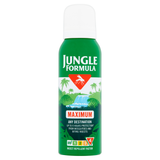
- Dengue and chikungunya – Mosquito-borne illness is one of the most consistent health issues across the region. Dengue occurs on many Caribbean islands, while chikungunya transmission or outbreaks have also been reported in several destinations. Use insect repellent during the daytime as well as around dawn and dusk.
- Zika virus – Zika risk is reported in several Caribbean destinations, including Jamaica, Haiti, the Bahamas, and Saint Lucia. It is particularly important for travellers who are pregnant or planning pregnancy to check current guidance before travelling.
- Oropouche virus disease – Current outbreaks make this particularly relevant to destinations including Cuba and the Dominican Republic. There is no vaccine routinely used to prevent Oropouche, so avoiding insect bites is the main precaution.
- Malaria – Malaria isn't a uniform risk across the Caribbean. Haiti has a malaria risk where preventative medication is recommended, while the Dominican Republic is predominantly low risk, and Santo Domingo and Santiago currently have no malaria risk.
- Travellers' diarrhoea – Food and water standards vary between destinations and even between different parts of the same island. Good hand hygiene and sensible food and drinking-water choices can help reduce your risk.
- Animal and bat bites – Rabies risk differs considerably across the region. Haiti and the Dominican Republic have reported rabies in domestic animals, while several other islands mainly have a potential bat-lyssavirus risk. Any bite or scratch should be taken seriously.
- Heat and sun exposure – High temperatures, humidity, and strong UV levels can increase your risk of sunburn, dehydration, and heat-related illness. Use high-factor sunscreen, drink regularly, and seek shade when needed.
- Hurricanes and flooding – The Caribbean hurricane season can disrupt healthcare, drinking-water supplies and sanitation. For example, FCDO reported continuing healthcare and standing-water issues in parts of Jamaica following Hurricane Melissa in October 2025, illustrating how local conditions can change travel-health risks after severe weather.
You might also be interested in...


FAQs
Ideally, check your vaccination needs at least 6–8 weeks before travelling. If you're leaving sooner, it's still worth arranging an appointment.
It depends on the island. Tetanus and hepatitis A are among the most commonly recommended or considered, while typhoid, hepatitis B, rabies, and other vaccines depend more heavily on your destination and itinerary.
Usually not when travelling directly from the UK, but certificate rules vary. Yellow Fever vaccination may also be recommended for parts of Trinidad, so check your exact itinerary.
Usually not for most Caribbean holidays. Haiti is the main exception, where malaria tablets are recommended, while parts of the Dominican Republic are classed as low risk.
Possibly. Recommendations depend on every country included in your cruise itinerary, so check each port rather than only your departure point.
Yes. Well offers a private travel vaccination and travel-medicine service at selected pharmacies, including hepatitis A, DTP, hepatitis B, typhoid, rabies, cholera, chikungunya, and dengue vaccinations, as well as malaria medication where clinically appropriate.
- NaTHNaC TravelHealthPro – Jamaica: vaccine recommendations, Yellow Fever requirements and travel-health risks.
- NaTHNaC TravelHealthPro – Cuba: vaccine recommendations and current outbreak information
- NaTHNaC TravelHealthPro – Dominican Republic: vaccinations, malaria, Yellow Fever certificate requirements and other health risks
- GOV.UK – Haiti foreign travel advice
SIDE BAR