
Travel vaccines
Bali Travel Vaccinations
Explore health advice for Bali, vaccine requirements and how to book with Well.

Find us on Trustpilot
If you’re heading to Bali for a relaxing beach holiday, exploring Ubud and its surrounding countryside, or travelling around the island for several weeks, it's worth checking your travel-health needs before you go. Here, we explain which vaccinations may be recommended for Bali and how Well Pharmacy can help you prepare for your trip.

Which vaccinations do you need for Bali?
Bali is part of Indonesia, so official UK travel-health recommendations for the island are covered by the wider Indonesia travel guidelines. The vaccinations you may need will depend on factors such as:
- How long you'll be staying
- Where on the island you plan to travel
- Whether you'll be spending time in rural areas
- Activities such as hiking, cycling, or visiting animal attractions
- Your previous vaccination history
The guidance below can help you understand which vaccines may be discussed during your travel-health appointment.
Essential vaccines
- Routine UK vaccinations – before travelling, check that your routine vaccinations and boosters are up to date. This includes vaccinations such as MMR and diphtheria, tetanus, and polio, depending on your age and vaccination history.
- Yellow Fever certificate – there is no Yellow Fever risk in Bali or elsewhere in Indonesia. However, Indonesia requires proof of Yellow Fever vaccination from travellers aged 9 months and over arriving from a country where Yellow Fever transmission is a risk. If you're travelling directly from the UK, you don't normally need a Yellow Fever certificate.
Vaccines recommended for most travellers
- Hepatitis A – this infection can be spread through contaminated food and water, or direct contact with someone who is infectious. Vaccination is recommended for previously unvaccinated travellers visiting Indonesia, including Bali.
- Tetanus – tetanus bacteria can enter the body through cuts, scratches, burns, and other wounds. Travellers should have completed the standard UK vaccination course. A booster may be recommended if your last dose was more than 10 years ago and access to medical treatment could be limited during your trip.
- Typhoid – spread mainly through contaminated food and water, typhoid vaccination is recommended for most travellers to Indonesia. It can be particularly important for longer stays or travel where food and water hygiene may be less reliable.
Vaccines recommended for some travellers
- Hepatitis B – Indonesia has an intermediate or high prevalence of hepatitis B. Vaccination can be considered for all travellers and is especially relevant for longer stays or where there may be exposure to blood or bodily fluids through medical or dental treatment, tattoos, piercings, sexual contact, or certain types of work.
- Rabies – Rabies is a recognised risk in Indonesia, including Bali. Street dogs are common, and monkeys are often found around temples and tourist attractions. Pre-travel vaccination may be recommended for longer stays, frequent animal exposure, cycling or running, or travel where quick access to post-exposure treatment could be difficult.
- Japanese Encephalitis – Japanese Encephalitis occurs throughout Indonesia, and the risk is present year-round. Vaccination may be considered for stays of a month or more, frequent travel, uncertain itineraries, or shorter trips involving greater exposure in rural areas, such as time around rice fields or pig farms.
- Chikungunya – This viral infection is spread by mosquitoes that mainly bite during the daytime. Vaccination may be considered for travellers aged 12 and over visiting areas experiencing an outbreak, or for people making frequent or long-term trips to higher-risk areas.
- Dengue – Dengue is a mosquito-borne infection found in Indonesia. Vaccination may be considered for certain travellers aged four and over, particularly those who have previously had dengue and will be travelling somewhere where infection is a risk.
- Tuberculosis (TB) – BCG vaccination is recommended only for specific higher-risk groups, including some unvaccinated children under 16 who will be living in Indonesia for more than three months.
| Vaccination | Doses required | Cost |
|---|---|---|
| Hepatitis A | One dose | £59 |
| Diptheria/Tetanus/Polio | One dose | £35 |
| Hepatitis B | Three doses | £150 |
| Typhoid | One dose | £35 |
| Rabies | Three doses | £222 |
| Japanese Encephalitis | Two doses | £196 |
| Chikungunya | One dose | £160 |
| Dengue fever | Two doses | £105 per dose |
Other health risks in Egypt
- Rabies and animal bites – Avoid touching or feeding dogs, monkeys, and other animals, even if they appear healthy or tame. Rabies is present in both domestic and wild animals in Indonesia, and FCDO specifically highlights street dogs and monkeys around Bali's temples and tourist areas.
- Dengue and chikungunya – Both infections are spread by mosquitoes and occur in Indonesia. Because the mosquitoes responsible often bite during the daytime, use insect repellent throughout the day as well as in the evening.
- Malaria – Bali is currently classed as a low-risk malaria area. For most travellers, awareness of the risk and careful mosquito-bite prevention are recommended rather than routine malaria tablets. Antimalarials may be considered in exceptional circumstances for some higher-risk travellers.
- Zika virus – Zika is a risk in Indonesia, and several travel-associated cases linked to Indonesia have been reported in the UK during 2026. Pregnant women should discuss the suitability of travel with a healthcare professional, and all travellers should take precautions against mosquito bites.
- Travellers' diarrhoea – Tap water isn't considered safe to drink in Indonesia. Take care with drinking water and food hygiene, particularly when eating away from established restaurants or travelling outside the main tourist areas.
- Heat and sun exposure – Bali's tropical conditions can increase the risk of sunburn, dehydration, and heat-related illness. Drink regularly, use high-factor sunscreen and take breaks from prolonged sun exposure, particularly during the hottest part of the day.
You might also be interested in...
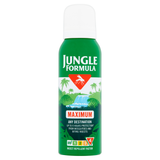
from £18.99

Period Delay Service
Don't let your period dictate your plans.
Our safe, effective Period Delay Service can delay your period by up to 17 days, preventing Mother Nature from getting in the way of your travel plans.
Complete an online consultation to find out if the service is right for you.
Selected pharmacies only

Ear Health Checks
Aching or popping ears can be normal when you fly, but it can also be a sign of something else.
We offer FREE Ear Health Checks to give you peace of mind. We'll assess the health of your ears and recommend next steps. If ear wax is the cause, we can remove it then and there for just £50.
No wax? No charge!
FAQs
Check your vaccination needs at least 8 weeks before your trip where possible. If you're leaving sooner, a travel-health appointment can still be worthwhile.
Hepatitis A, tetanus, and typhoid are recommended for most travellers. Other vaccines, including rabies and Japanese Encephalitis, may be advised depending on your plans.
Not when travelling directly from the UK. You may need a Yellow Fever certificate if you're arriving from a Yellow Fever risk country.
Usually not. Bali is considered a low-risk malaria area, where mosquito-bite prevention is generally advised instead of routine antimalarial tablets.
It depends on your trip. Rabies vaccination may be recommended for longer stays, frequent animal exposure, or activities that increase your risk of being bitten or scratched.
Wash the wound thoroughly and seek urgent medical attention, even if the bite or scratch seems minor or you've already been vaccinated against rabies.
SIDE BAR