

Student Health

Freshers' Flu

Find out the symptoms, causes and how to help prevent it

Starting uni? Here's what you need to know about Freshers' Flu

Freshers’ Flu is the term used to describe the cold and flu-like symptoms a lot of students face during their first few weeks at university. Living in close quarters with new people, attending social events and surviving on less sleep than usual can expose you to a range of viruses that your immune system might not be familiar with. As a result, it’s common for students to experience coughs, colds, sore throats and a general feeling of unwellness at the start of the uni season.

Don’t worry, there are ways you can help prevent it, and – if you do find yourself under the weather – we’ve got the essentials to get you feeling back to your usual self and enjoying student life again.

What is Freshers' Flu?

If you’ve never heard of Freshers' Flu, then don’t worry – there isn’t a new strain of flu on the loose. Instead, it’s the nickname commonly given to a collection of cold and flu-like symptoms that often affect uni students at the start of the academic year, and it’s one of the biggest talking points around student health.

Despite the name, it isn’t actually caused by the flu virus. In most cases, symptoms are a result of common viruses that spread easily among large groups of people who are living and socialising together.

What causes Freshers' Flu?

There are a few different factors that can increase your chances of feeling unwell during or after Freshers’ Week at uni.

  • Increased exposure - Starting university often means meeting hundreds of new people from all across the country and beyond - which is exciting! - but also perfect breeding ground for viruses unfortunately. Viruses that cause coughs, colds and other respiratory infections can spread quickly in shared living spaces, lecture halls and social settings.
  • New routines - Moving away from home can disrupt your usual routine. Late nights, a busy social calendar and a hefty workload can all take their toll on your health.
  • Stress and tiredness - The excitement and anticipation of starting university can lead to lack of sleep, increased stress and changes to eating habits, which can make it harder for your immune system to fight off infections.

Freshers' Flu symptoms

Freshers’ Flu can vary from person to person, but generally speaking, symptoms might include:

  • Sore throat
  • Runny nose
  • Sneezing
  • Coughing
  • Headache
  • Tiredness, or feeling run down
  • Mild fever
  • Muscle aches and pains
  • Loss of appetite

These symptoms are often similar to those of a common cold or flu-like illness.

How to treat Freshers' Flu

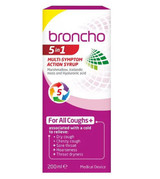
There’s no instant cure for Freshers’ Flu, but staying hydrated, getting plenty of rest and trying to eat regular nutritious meals can help you get back on track. Cold and flu remedies can also help relieve some of your symptoms.

How to prevent Freshers' Flu

Preventing Freshers’ Flu in the first place isn’t always possible given the natural environment and lifestyle changes when starting uni. However, there are a few things you can do to help reduce your risk:

  • Wash your hands regularly – good hand hygiene helps prevent germs from spreading between people and surfaces
  • Get enough sleep – as tempting as it is to pull all-nighters, whether for studying or socialising, sleep is the best way to give your body the rest it needs to fight off illnesses
  • Eat a balanced diet – it’s easy to fall into the pattern of pot noodles and beigeness, but a varied diet can help support your overall wellbeing
  • Stay active – regular physical activity can help support a healthy immune system, whether that’s working out, taking walks to explore your new city, or joining a sports club
  • Avoid sharing drinks and utensils – this is easily done in shared accommodation, but try to avoid it if you can, as viruses can spread easily through close contact and shared items
  • Consider a flu vaccination – while Freshers’ Flu isn’t *actually* flu, a flu jab can still help protect you against seasonal flu and reduce your risk of becoming seriously unwell

More services you might be interested in

Meningitis B vaccinations

MenB is a strain of bacteria that can cause serious illness, and uni students engaging in lots of contact can have a higher chance of transmitting it. In 2026, the government launched an NHS-funded programme in England where some students can get the vaccine for free. Find out if you're eligible, and how to book a private vaccination if you aren't.

HPV vaccinations

HPV is transmitted through sexual activity and skin-to-skin contact. Getting vaccinated against HPV is the best way for women and eligible men to protect themselves against the virus and the conditions it can cause.

Pharmacy First

In short, this means you can skip the GP queues and head straight to your local Well Pharmacy to be treated for a handful of common illnesses, such as ear ache, sore throats and UTIs. Simply walk in at your convenience and one of our friendly pharmacists will be able to help.

FAQs

Is Freshers’ Flu contagious?
The viruses that cause Freshers’ Flu symptoms can absolutely be contagious and spread through close contact with other people.
Can Freshers’ Flu turn into something more serious?
Most cases improve without complications, however if your symptoms become severe or you develop breathing difficulties, you should seek medical advice.
Can you go to lectures with Freshers’ Flu?
Most cases improve without complications, however if your symptoms become severe or you develop breathing difficulties, you should seek medical advice.
Is Freshers’ Flu the same as Glandular Fever?
No, Freshers’ Flu is an informal term for the cold and flu-like symptoms that commonly affect students at the start of university. Glandular Fever is a specific viral infection that can cause a severe sore throat, swollen glands and extreme tiredness that can last for weeks or even months, in severe cases. If you think you have symptoms of Glandular Fever and aren’t improving, then you should speak to a healthcare professional.
SIDE BAR