
Contraception
Types of contraception
Learn more about the different contraception methods available.

With so many different types of contraception available, it can be tricky knowing where to start. The good news is, there isn't one 'perfect' method that works for everyone. Instead, there are a variety of options designed to suit different lifestyles, preferences and health needs.
While it's useful to weigh up the pros and cons of different types of contraception, oral contraception remains one of the most common methods1, and you can get it FREE of charge from Well Pharmacy, via the NHS Pharmacy Contraception Service2 – no GP appointment needed.
Last reviewed: October 2026
Next review: October 2029
Reviewed by: Elliott Patrick, Head of NHS Services

Types of contraception at a glance
| Method | Hormonal? | Long-acting? | How often you take/use/refresh it |
|---|---|---|---|
| Combined pill | Yes | No | Daily |
| Mini pill | Yes | No | Daily |
| Patch | Yes | No | Weekly |
| Vaginal ring | Yes | No | Monthly |
| Injection | Yes | Yes | Every few months |
| Implant | Yes | Yes | Lasts several years |
| Hormonal coil (IUS) | Yes | Yes | Lasts several years |
| Copper coil (IUD) | No | Yes | Lasts several years |
| Condoms | No | No | Every time you have sex |
Contraceptive pill
The contraceptive pill is one of the most widely used forms of contraception in the UK. There are two main types: the combined pill and the progesterone-only pill (also known as the mini pill).
Type: Hormonal, short-acting
Why people choose it
- Convenient and familiar
- Easy to stop if circumstances change
- Available from Well Pharmacy via the NHS Pharmacy Contraception Service (no need for a GP appointment)
- Doesn’t require a medical procedure
- Different pill types available
Things to consider
- Easy to forget
- Certain medicines can affect contraception of this form
- Potential side effects (e.g. headaches, nausea, breast tenderness, mood changes)
How to access oral contraception at Well Pharmacy
Through the FREE NHS Pharmacy Contraception Service, eligible patients can access oral contraception - including emergency contraception such as the morning after pill - directly from participating Well Pharmacies. You can save yourself the GP appointment and come straight to us where our pharmacists can discuss your circumstances, answer any questions and – if suitable - provide you with 6-12 months' supply of your chosen pill.

Contraceptive patch
The contraceptive patch is a small, sticky patch that's applied to the skin and releases hormones to help prevent pregnancy.
Type: hormonal, short-acting
Why people choose it
- Only needs changing weekly
- Non-invasive
- Simple to use
Things to consider
- Visible on the skin (only available in one shade)
- Needs replacing on schedule
- Can come loose which might decrease effectiveness
Contraceptive injection
The injection provides contraception for an extended period after a healthcare professional administers it.
Type: hormonal, long-acting
Why people choose it
- Long-lasting protection
- Low maintenance
- Usually stops periods altogether, which some people prefer
Things to consider
- Uses needles
- Can sometimes cause weight gain, particularly for under 18s with a BMI over 30 when starting
- Can be a delay of up to one year for fertility to return after stopping use
Contraceptive implant
The implant is a small, flexible rod placed under the skin of the upper arm that gradually releases hormones.
Type: hormonal, long-acting
Why people choose it
- Can offer several years of protection
- Convenient
- Discreet
Things to consider
- Requires fitting and removal by a trained healthcare professional
- Can sometimes cause irregular or prolonged bleeding for some users
Hormonal coil (IUS)
The hormonal coil is a small device inserted into the womb that releases hormones gradually over time.
Type: hormonal, long-acting
Why people choose it
- Long-lasting protection (up to 8 years)
- Minimal maintenance
- Only a small amount of hormones reach your blood, meaning there are typically less side effects compared to other methods
Things to consider
- Requires fitting by a healthcare professional
Copper coil (IUD)
The copper coil works without hormones and is inserted into the womb by a healthcare professional.
Type: non-hormonal, long-acting
Why people choose it
- Hormone-free
- Long-term protection (5-10 years depending on type of device)
Things to consider
- Requires fitting and removal by a healthcare professional
- Periods can be heavier or more painful than normal for some users
- Can shift out of place or fully dislodge3
Vaginal ring
Copper coil (IUD)
The copper coil works without hormones and is inserted into the womb by a healthcare professional.
Type: non-hormonal, long-acting
Why people choose it
- Hormone-free
- Long-term protection (5-10 years depending on type of device)
Things to consider
- Requires fitting and removal by a healthcare professional
- Periods can be heavier or more painful than normal for some users
- Can shift out of place or fully dislodge3
Condoms
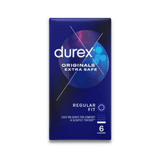
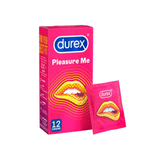
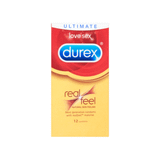
Condoms create a physical barrier that helps prevent pregnancy.
Type: non-hormonal, short-acting
Why people choose it
- Widely available
- Hormone-free
- The only contraceptive method that also helps reduce the risk of sexually transmitted infections (STIs)
- A use-as-needed form of protection
Things to consider
- Not always cost effective
- Must be used correctly every time
- Can become damaged if not stored properly
- Can interrupt sex
Hormonal vs non-hormonal contraception
One of the biggest decisions people make when choosing contraception is whether they'd prefer a hormonal or non-hormonal option.
Hormonal contraception might appeal to you if:
- You're comfortable using hormones
- You want a wide range of method options
- You require additional benefits beyond pregnancy prevention (such as period regulation or managing hormone-related symptoms)
Non-hormonal contraception might appeal to you if:
- You'd prefer to avoid hormones
- You want to reduce risk of STIs as well as pregnancy (e.g. through condoms)
There's no right or wrong choice. It's simply about finding what works best for you.
How to choose the right contraception for you
There's no "best" type of contraception. The right choice depends on what matters most to you. You might want to consider factors like:
- Whether you want a hormonal or non-hormonal option
- How often you’re happy to manage your contraception
- Whether you prefer a short-acting or long-acting method
- Future pregnancy plans
- Your lifestyle and daily routine
- Any health conditions or medicines you’re taking
If you're unsure where to start, speaking to a healthcare professional can help you understand your options and make an informed decision.

Contraception through different life stages

Contraception after having a baby
Contraception isn’t always top of mind after welcoming a little one into the world, but it’s still important to help you manage your reproductive health. We’re here to help you navigate the world of contraception in the midst of new parenthood.

Contraception during menopause
Although fertility can decline in the lead-up to menopause, it’s still possible to get pregnant if you’re having periods. We can support you when navigating your contraception options during this new life chapter.
FAQs
1. Sexual and Reproductive Health Services, England (Contraception). Methods of Contraception. Published 28 September 2023.
2. NHS Pharmacy Contraception Service, NHS England. Accessed 6 October 2026.
3. How to know if your IUD is out of place and what to do next, Medical News Today. Updated January 2024.
4. Contraception choices, The College of Sexual & Reproductive Healthcare.