


Common infectious illnesses
Cold and flu
Learn the difference between a cold and flu, common symptoms to look out for and how to manage them while you recover.

Cold and flu are caused by different viruses, but they can share similar symptoms, making it tricky to know which one you have. Understanding the difference can help you manage your symptoms, take appropriate precautions and know when to seek further help.
We’re here to explain the common signs of colds and flu, how to manage your symptoms at home and when to speak to a healthcare professional.
Last reviewed: October 2026
Next review: October 2029
Reviewed by: Elliott Patrick, Head of NHS Services

Cold and flu are both contagious respiratory illnesses, but there are differences between the two.
A common cold tends to develop more gradually and can be caused by multiple different viruses, while the flu often develops more suddenly and is caused by influenza viruses specifically.
Usually a cold is milder than the flu, leaving you with symptoms such as a runny or stuffy nose and a sore throat, whereas the flu is more likely to leave you feeling exhausted, with symptoms that affect more than just your nose and throat.
| Cold | Flu | |
|---|---|---|
| How symptoms start | Usually gradually | Often quickly, within a few hours |
| Main affected area | Nose and throat | The general body |
| Effect on normal activities | You may still feel able to continue as normal | You may feel too unwell to continue as normal |
| Runny or blocked nose | Common | Can happen |
| Sneezing | Common | Can happen |
| Cough | Common | Common, often dry |
| Fever | Less common | Common |
| Aches and pains | Mild | More noticeable |
| Tiredness | Mild | More noticeable |
Symptoms can vary from person to person, so you may not experience all of these.
Cold symptoms
A common cold mainly affects your nose and throat, although symptoms can vary from person to person.
Common symptoms of a cold may include:
- a blocked or runny nose
- sneezing
- a sore throat
- coughing
- a hoarse voice
- feeling tired or generally unwell
How long does a cold last?
You can usually manage cold symptoms yourself with plenty of rest and over-the-counter medicine, and you should start to feel better in 1 to 2 weeks1.
Symptoms can last longer in young children which may cause them to have difficulty sleeping, feeding or breathing through their mouth1.1.

Flu symptoms
Flu can share some symptoms with a cold, but it can make you feel more unwell and may affect more than just your nose and throat.
Want to know more about the flu? Check out our full guide to flu symptoms, our flu vaccination service and who can get the flu jab.
How to manage cold & flu symptoms from home
Most cold and flu symptoms can be managed at home with rest, fluids, suitable over-the-counter medicines and other self-care measures.
There are a few things you can do to take extra care of yourself when you have a cold or flu, such as:1.2
- getting plenty of rest
- drinking plenty of fluids to avoid dehydration
- eating healthy food when you feel able to
- gargling salt water to soothe a sore throat, if suitable*
- drinking hot lemon and honey* to soothe a sore throat
- sitting in a bathroom with a hot shower running to help ease a blocked nose
- using suitable over-the-counter medicines to manage your symptoms
Self-care advice may differ depending on age. Children should not gargle salt water or inhale steam from a bowl of hot water (due to risk of scalding). Do not give hot drinks to small children or honey to babies under 12 months old.
Blocked nose and congestion
A blocked or stuffy nose can make it difficult to breathe and sleep comfortably. Decongestant treatments can provide short-term relief, although they aren’t suitable for everyone. Always read the label and speak to a pharmacist if you’re unsure which treatment is suitable for you.
Sore throat
A sore throat can be uncomfortable, particularly when swallowing. Lozenges, sprays and other sore throat treatments can help soothe your symptoms.
Cough
Coughs are common with respiratory infections and different types of cough - such as a chesty cough vs a tickly cough - may benefit from different treatments. Choosing a treatment suited to your symptoms can help you manage your cough while you recover.
All-in-one cold & flu treatments
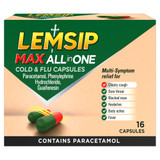
Cold and flu remedies are available to help manage several symptoms at once, such as headache, aches, congestion and a sore throat.
Always check the ingredients before combining cold and flu remedies with other medicines. Some all-in-one treatments contain ingredients such as paracetamol, so taking additional medicines containing the same ingredient could lead to taking more than the recommended amount.

Can a pharmacist help with cold and flu symptoms?
If you’re unsure how to manage your symptoms, one of our pharmacists can offer advice and help you choose an appropriate over-the-counter treatment. They can also advise you if your symptoms may need further medical attention.
When to seek help for cold and flu symptoms
Most colds and cases of flu get better without medical treatment. However, you should contact NHS 111 or speak to a GP if you’re concerned about your symptoms, you’re at greater risk of becoming seriously unwell or your symptoms are not improving.
This includes if:1.3
- you've had a high temperature for more than 3 days
- your cold symptoms are getting worse
- your temperature is very high, or you feel hot, cold or shivery
- you feel short of breath or have chest pains
- you're worried about your child's cold symptoms
- your cold symptoms don't improve after 10 days
- you've had a cough for more than 3 weeks
- you have cold symptoms and you have a long-term medical condition (for example, diabetes, or a heart, lung or kidney condition)
- you have cold symptoms and you have a weakened immune system
Explore our vaccination services
Seasonal viruses are contagious and can make some people seriously unwell, potentially leading to further health complications. The simplest way to protect yourself and those around you from developing serious symptoms from a seasonal virus is through vaccination.
Here at Well, we offer a convenient vaccination service in our pharmacies – whether you're NHS eligible or paying for a private service, making it easy to book and get your jab at a time and place that suits you.


FAQs
It is possible to be infected with more than one respiratory virus at the same time. Cold and flu symptoms can also be similar, which can make it difficult to tell what’s causing you to feel unwell.
There's no instant cure for a cold, but there are things you can do to help manage your symptoms while your body recovers.
Getting plenty of rest and drinking enough fluids can help, while treatments such as paracetamol or ibuprofen may help with aches or a high temperature. Decongestants may also provide short-term relief from a blocked nose. A pharmacist can advise you about treatments that may be suitable for you.
The right treatment will depend on your symptoms. Medicines such as paracetamol or ibuprofen can help with aches or a high temperature, while decongestants can help relieve a blocked nose.
Always check the ingredients before taking different medicines together, as some cold and flu remedies already contain painkillers such as paracetamol. If you're not sure which treatment is right for you, a pharmacist will be able to advise you.
Good hygiene can help reduce the spread of respiratory viruses, so remember to wash your hands regularly and cover your mouth and nose when coughing or sneezing.
If you're particularly unwell then it's also best to avoid socialising and mixing with others to help prevent the virus from being passed on.
1. Common cold, NHS UK. Last reviewed March 2024.
SIDE BAR