
More often than not, the biggest thing that children fear is the unknown. Creating an open dialogue ahead of any health or vaccination appointments can help them become familiar with the topic, and avoid any unexpected surprises. You don't need to describe the process in graphic detail, but explaining that the doctor or pharmacist is there to help give their body some extra protection and keep them healthy, and that they might feel a slight pinch but it'll be over in seconds, can help keep your child informed and prepared.

Make sure you're prepared for the day to avoid any extra anxiety from rushing around at the last minute. Wake early to give you and your child enough time before the appointment, enjoy a healthy breakfast or snack, and dress them in loose, appropriate clothing. For example, young infants might receive the vaccination in their thigh, so ensure they're wearing clothing that can be easily lifted and rolled, whereas slightly older children will receive the injection in their upper arm, so dressing them in short sleeves or loose sleeves that can be easily rolled will make things much easier. Ensure you have time to properly chat to them to answer any questions or ease any nerves that they might be feeling.

During the vaccination, choose a comfortable position to help your child feel safe, such as them sitting on your lap in a gentle embrace, or sitting beside them holding their hand. Just try to make sure they're sat upright with the injection site (e.g. arm) relaxed. It's normal as a parent to feel a little worried about how your child might respond to the jab, but if you can, try to keep a calm demeanor, because your child might pick up on any uneasiness and it could make them more anxious. By staying calm, you can help them stay calm too.
When in doubt, distract! Try shifting the attention away from the injection when it's happening to reduce stress and discomfort. This might involve playing one of your child's favourite songs, watching a short video, reading a story together, letting them hold their favourite toy or teddy, counting, playing "I Spy", or simply chatting to them about a nice memory.
Note that this might only work for some children, while others may feel more comfortable watching and understanding exactly what's going on. That's okay, too. Take your child's lead on what makes them feel most comfortable.
After the vaccination, take the time to offer comfort with a cuddle, a warm smile, and even simple praise. Don't panic if your child seems a little upset or unsettled - it's completely normal for them, and will pass quickly. Acknowledging their feelings and telling them how brave they are, that they did a good job, etc, can help provide reassurance. You could also try planning something fun for after the vaccination appointment, such as a trip to the park, watching a favourite film, playing a game or building an indoor den. This will soon take their mind off the day and help them feel back to their usual self.

Your baby or child might cry a little or seem upset after the vaccination, but a cuddle and some comfort should soon help them feel better. Sometimes the area where they had the injection might be red and tender for 2-3 days, too, but this should go away on its own.
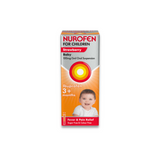
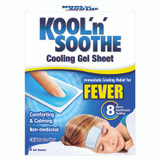
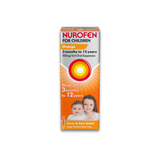
Keep an eye on your little one after their appointment. A mild fever can also be a normal reaction to a vaccination, and can be managed by removing unnecessary layers or blankets, ensuring they drink plenty, and giving them liquid paracetamol or children's ibuprofen to help bring their temperature down. Makre sure you follow the instructions on the medicine, and if you're unsure, ask a pharmacist for advice.
It's rare for anyone to have an allergic reaction to a vaccination, but if this does happen, it's usually within minutes - so you'll know quickly. The pharmacist who vaccinates you or your child will be trained to deal with allergic reactions and will be able to treat it immediately, ensuring smooth recovery.
from £45

Book a private vaccination at your local Well Pharmacy to help protect your child against measles, mumps and rubella.

Our top tips for preparing your child for a health check, from tots to teens.
Five tips for preparing children for vaccination, World Health Organization. Published 22 April 2026.
Vaccination tips for parents, NHS UK. Last reviewed 20 April 2023.