


Find us on Trustpilot
Find pain relief to suit your needs, from everyday painkillers and targeted migraine treatments to pain relief gels, pharmacy strength options and drug-free heat and cold therapy. Explore our ranges below to find the right option for you.
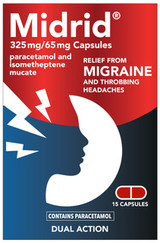
Migraine relief
Migraines can be difficult to deal with, especially when they get in the way of your day. Explore our range of targeted migraine relief, with treatment options to help manage migraine symptoms when you need them.


Pharmacy strength
For times when you need a different option for managing pain, explore our range of pharmacy strength pain relief. These medicines are available from a pharmacy and may require some additional checks to make sure they’re suitable for you.

Inflammation & joint pain
From aching joints to muscle pain, find relief to help you manage everyday discomfort. Explore our range of pain relief options for inflammation and joint pain and find something that suits your needs.


Everyday pain & fever
From headaches and toothache to everyday aches, pains and fever, find relief for you and your family. Explore our range of pain relief options to help you manage common aches and discomfort when you need it.

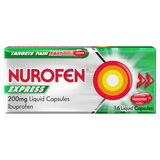
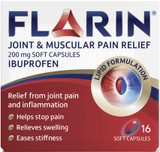
Period pain
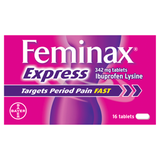
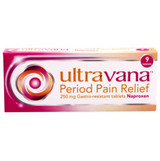
Period pain can make everyday activities more uncomfortable. Explore our range of pain relief options to help ease period cramps and discomfort, so you can find an option that works for you.
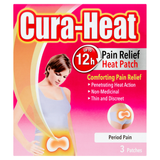
Pain relief gels
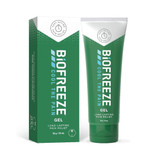
Looking for targeted relief from everyday aches and pains? Explore our range of pain relief gels, which can be applied directly to the affected area to help relieve muscle and joint pain.

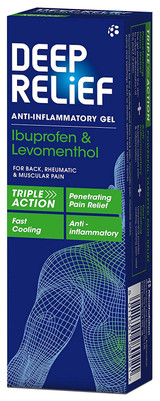


Drug-free relief (heat)
Ease everyday aches and discomfort with soothing heat. Explore our range of drug-free heat therapy products, designed to provide targeted warmth for aching muscles and joints.


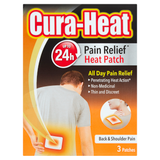
Drug-free relief (cold)
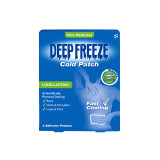
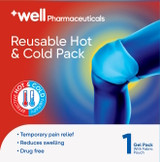
Cool and soothe everyday aches and discomfort with targeted cold therapy. Explore our range of drug-free cold therapy products for a simple way to manage pain and discomfort when you need it.
Everyday value from Well Pharmaceuticals
Looking after yourself doesn’t have to cost more. Discover our own-brand range of great-value healthcare essentials.

Pain management FAQs
Being in pain can cause a lot of distress and negatively impact your life. Normally, pain can be managed at home with painkillers and other treatments. If you are in pain, it is important to discuss your options with your pharmacist so that they can tailor your care to your specific needs.
Below are some of the frequently asked questions our pharmacists get from people experiencing pain.
You can treat pain with different types of medication, commonly called painkillers.
There are different types of painkillers but the two you may often hear about are paracetamol and ibuprofen.
Paracetamol is a pain medication used to treat mild and moderate pain, such as headaches. It can also be used to treat a fever experienced during cold and flu.
Ibuprofen is an anti-inflammatory medication that can come in many different forms, such as tablets, creams, gels and sprays.
You can buy paracetamol and ibuprofen over the counter at a pharmacy or supermarket.
For more severe pain, you may need to get a prescription from your GP for stronger pain relief medication.
You can take paracetamol with other pain medication only if the other medication does not contain paracetamol.
Medication that can be taken with paracetamol includes:
Taking too much paracetamol can be hazardous to your health and lead to a medical emergency.
In general, you will not get any side effects from taking paracetamol. In rare cases, some people may experience a severe allergic reaction. If you have a severe allergic reaction, you may have:
Babies who have a severe reaction to paracetamol may go floppy and unresponsive.
You may experience side effects after taking ibuprofen. These include:
Serious side effects which need medical attention include:
If you have any of these reactions, call 111 or your GP immediately.
If you experience a side effect from a painkiller that is not included in the patient information leaflet within the packet of your pain medication, you can report it to the Medicines and Healthcare products Regulatory Agency Yellow Card.
It may seem unlikely at times, but pain can be combatted by doing gentle exercise such as going for a walk or yoga. Moving your body can help prevent you from feeling stiff and your muscles and bones from becoming weak.
If you introduce a small amount of activity into your daily routine, you will find it easier to get going again once your pain subsides.
A non-medical way to treat pain is to apply heat or ice to the affected area. Heat treatment can be used to manage joint stiffness and muscle spasms. Ice treatment can be used to reduce swelling.
Mild period pain can be managed with paracetamol or ibuprofen. You can also try a hot water bottle on your abdomen or going for a gentle walk. More severe period pain may indicate an underlying condition such as endometriosis. In this case, you may wish to speak to your doctor for more advice.
Sinus pain can cause a lot of discomfort. It usually goes away by itself but if it is taking a long time to go or you are feeling unwell, there are some things you can try to ease your symptoms. You should make sure you get plenty of rest and keep hydrated. As well, you can try taking over the counter pain relief such as paracetamol and ibuprofen.
For headaches, it is important that you stay hydrated. You can also treat a mild headache with paracetamol or ibuprofen. For more severe headaches or migraines, you may also find rest helpful. If your headache isn’t going away or you have a headache for more than 3 days, call your GP or 111.
SIDE BAR